What Happens If You Leave a Roof Repair Too Long in Bristol?
A small roof problem in Bristol almost never stays small. The city gets over 800mm of rain a year, spread across more than 130 wet days, and that persistent moisture finds every gap it can. A slipped tile that would take a roofer 20 minutes to re-fix can, if left through a Bristol winter, lead to felt damage, rotten timbers, and eventually structural repairs that cost thirty times as much. The frustrating part is that the damage is often invisible from inside the house until it's already extensive. This guide walks through what actually happens at each stage of neglect — and roughly what it costs to fix at each point.

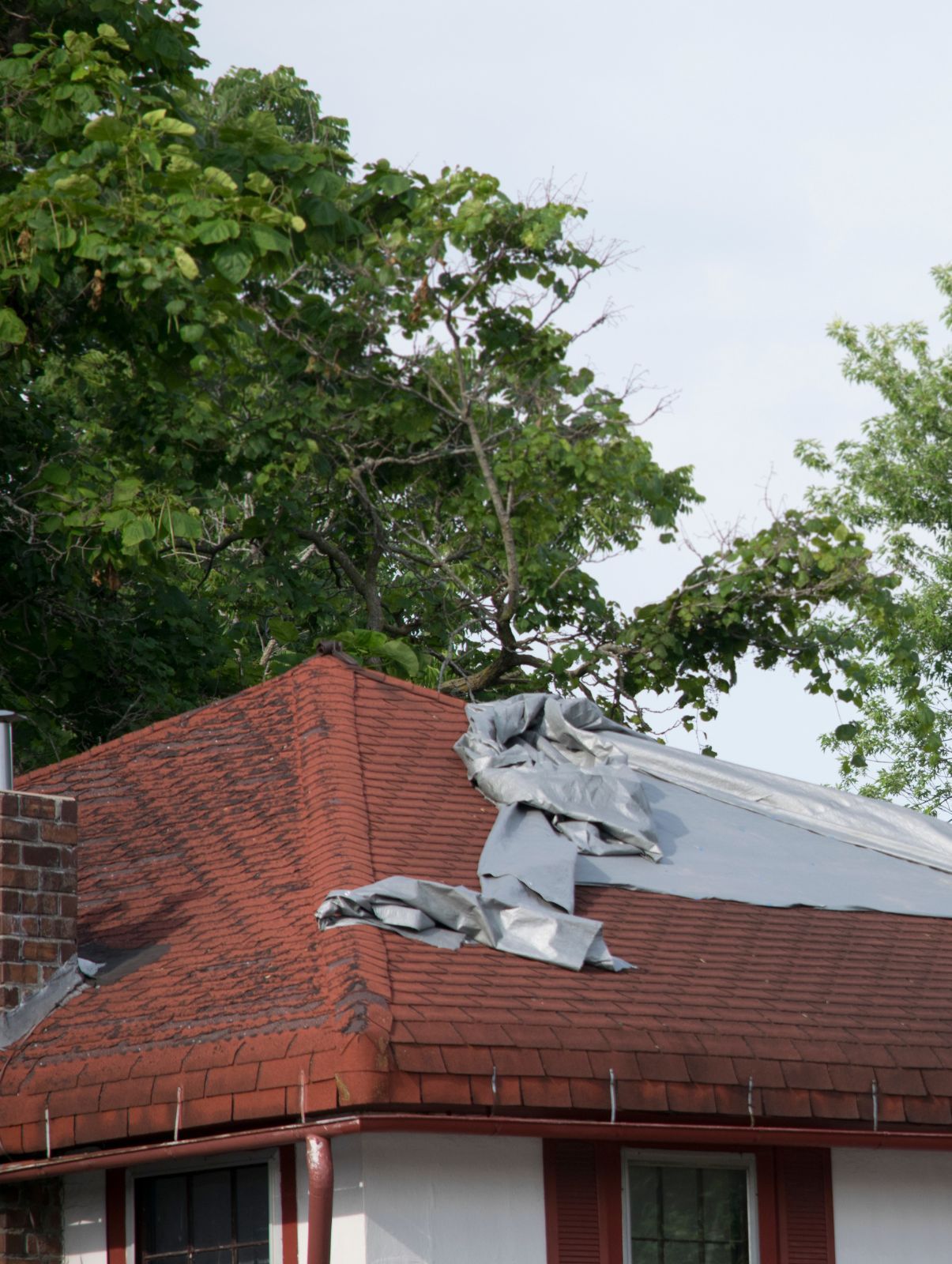
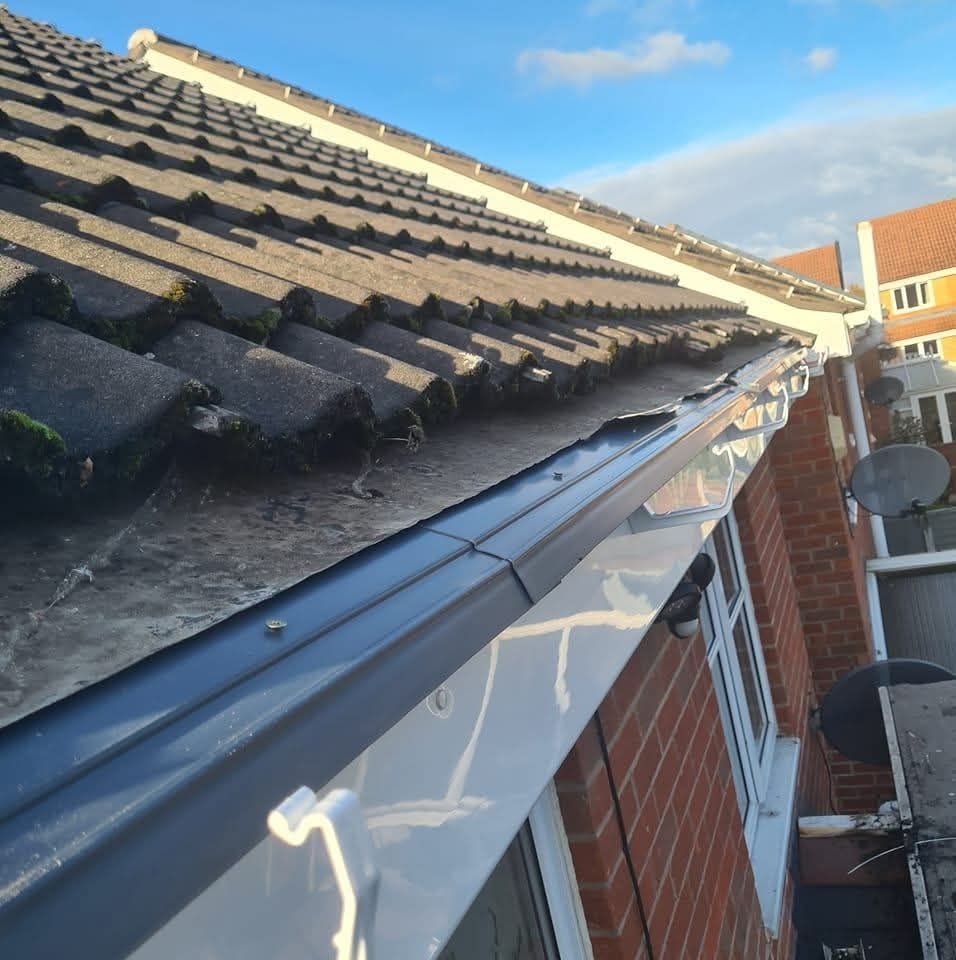
A single slipped or cracked tile. A small section of cracked ridge pointing. A patch of flashing that's lifted slightly at one edge. At this stage, the job is straightforward: a roofer on a ladder, an hour's work, done. For most minor repairs in Bristol, you're looking at £100–£400 including scaffolding if a ladder isn't sufficient.
The problem is that minor repairs are easy to put off. There's no visible leak, no damp patch on the ceiling. The tile is just slightly out of place. So it waits. And then another winter starts.
Bristol's Atlantic-influenced weather means roofs rarely get a long dry spell to recover. Rain comes in regular, sustained spells rather than isolated storms. A gap that sits under one heavy downpour in a dry climate might stay dry for weeks. In Bristol, the same gap gets soaked repeatedly through October, November, December. The felt beneath the tile starts to saturate.
Roofing felt is the secondary barrier, the layer beneath the tiles that catches any water that gets past them. Modern breathable felt handles occasional wetting well. Older felt, common on Bristol's large stock of pre-war terraced and semi-detached housing, is bitumen-based, and once it saturates and starts to degrade, it fails quickly.
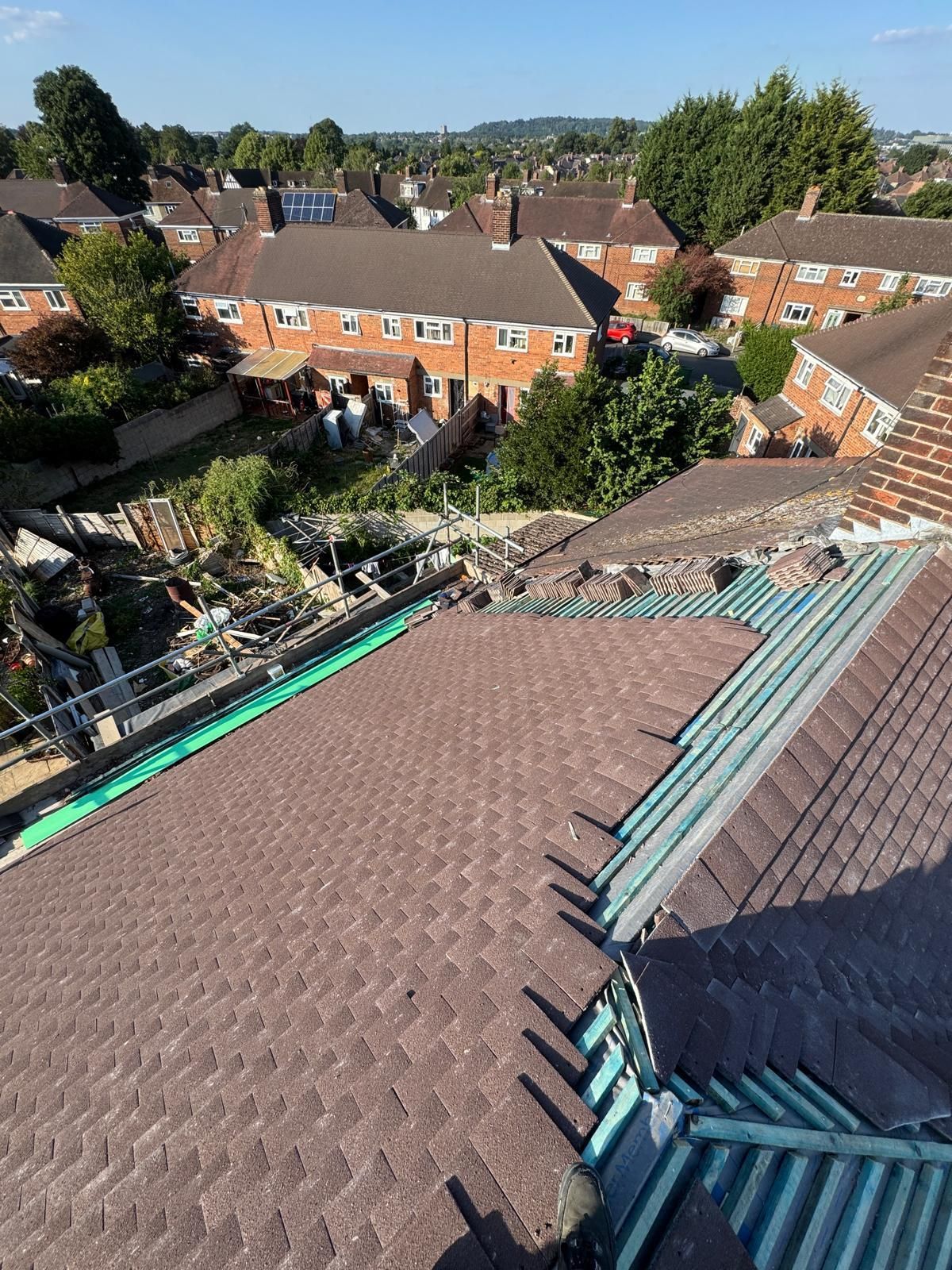
Once felt is compromised, water isn't just dripping through one tile gap. It tracks along the felt, runs into the batten spaces, and pools in low points across a wider area. At this stage, repairing just the tile isn't enough. The felt needs patching or partial replacement, and the battens may need inspection. A job that was £200 is now £500–£2,000 depending on how much felt has failed and whether the battens are salvageable.
Why Bristol's Terraced Housing Makes This Worse
A large proportion of Bristol's housing stock, particularly in areas like Redland, Cotham, Bishopston, and Easton, consists of Victorian and Edwardian terraces with long, continuous roof pitches. A failure in one section of that roof doesn't stay contained. Water travels. A gap above the front bedroom can be letting water in that ends up damaging timbers above the landing. By the time a damp patch appears inside, the source is often several metres away from where the problem started.
Stage Three: Rafter and Timber Rot (£2,000–£8,000)
This is where costs climb seriously. Once water has been reaching the roof timbers consistently, even in small amounts, wet rot sets in. Bristol's mild, damp winters create near-perfect conditions for it: temperatures rarely drop low enough to freeze wood dry, but stay persistently cool and wet for months at a time.
A single rotten rafter section can be cut out and replaced for a few hundred pounds. But by the time timber rot is discovered, it's rarely just one section. The investigation typically finds multiple affected areas, and each section replacement adds to the bill. If the ridge board or wall plates are involved, costs rise further. At this stage you're looking at £2,000–£8,000 for the structural repairs alone, before re-tiling and re-felting the affected area.
The other problem: wet rot in roof timbers is rarely discovered until someone actually gets into the loft and looks. Most homeowners don't. They wait for a ceiling stain, which usually means the timbers have been wet for at least one full winter.
Stage Four: Full Structural Damage (£8,000–£20,000+)
Leave timber rot long enough and the structural integrity of the roof starts to go. Purlins that support the rafters weaken. Ridge boards deteriorate. In severe cases, the roof structure begins to sag, visible from outside as a dip or bow in the roofline.
At that point you're no longer talking about repairs. You're looking at a partial or full roof replacement: stripping everything, replacing structural timbers, re-felting, re-battening, re-tiling. On a typical Bristol three-bedroom terraced house, a full re-roof runs £6,000–£12,000. If structural timbers need significant work on top, costs can reach £15,000–£20,000 or beyond.
The homeowner who ends up spending £20,000 almost always had a £200 repair available to them two or three years earlier.
What to Watch For in a Bristol Property
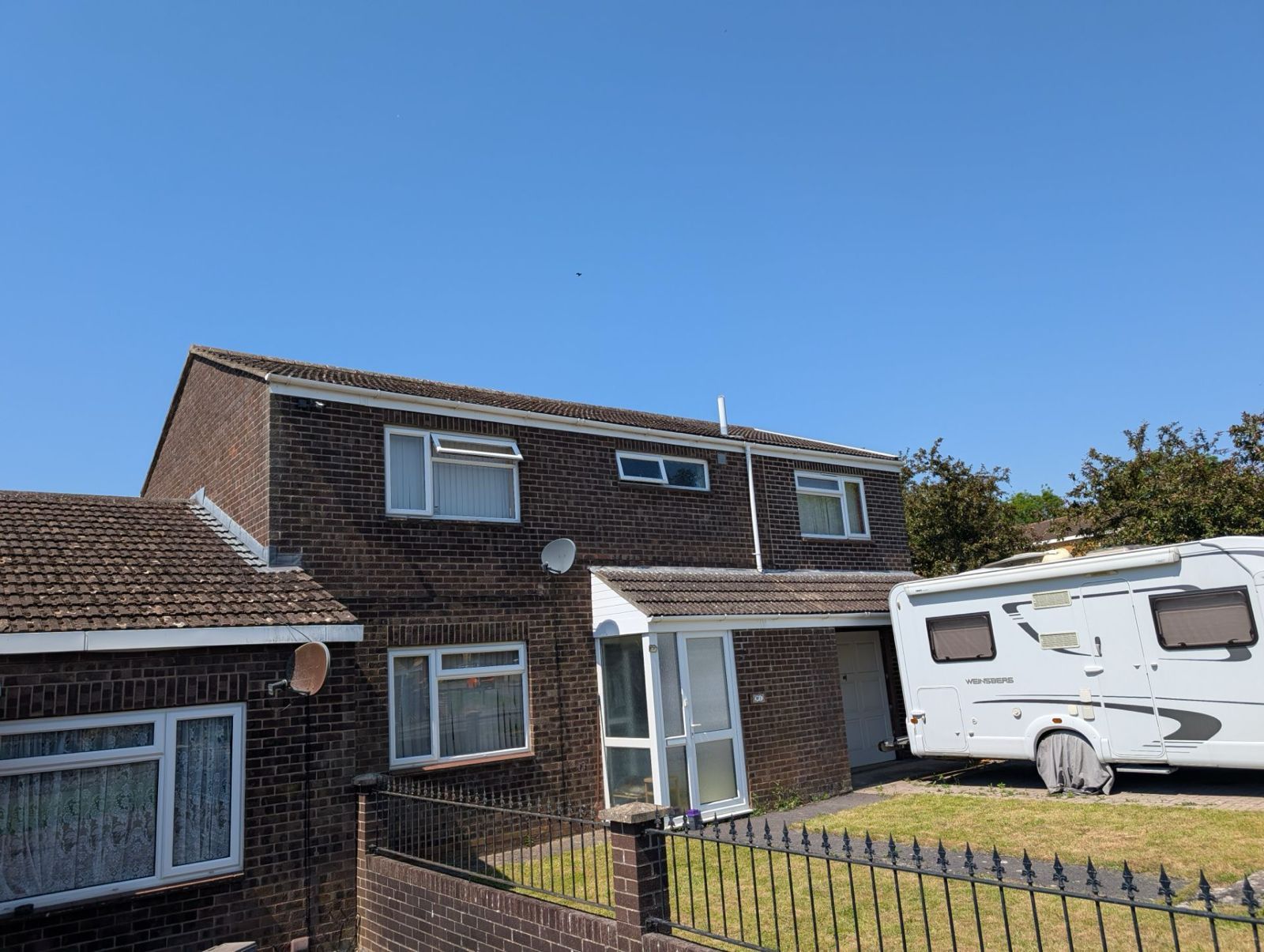
You don't need to get on the roof. From the ground, look for tiles that appear out of line, cracked, or missing. Check the ridge line — it should be straight. Any dip or curve is worth investigating. Look at the flashing where the roof meets chimneys, dormer windows, and party walls. Gaps or lifted sections here are common entry points.
From inside the loft after heavy rain, check for damp patches on the felt, water staining on rafters, or any daylight visible through the roof structure. If you haven't been up there in a couple of years and you live in one of Bristol's older terraces, it's worth a look before the next winter.
FAQ
Q: How quickly can roof damage escalate in Bristol? A: Faster than most people expect. Bristol's persistent wet weather means a minor gap gets soaked repeatedly through autumn and winter. Felt damage can develop within a single season; timber rot can set in within a year or two of felt failure. The dry spell that might slow things down elsewhere rarely materialises here.
Q: What are the warning signs that a roof repair has been left too long? A: From outside: misaligned or missing tiles, a sagging ridge line, visible gaps around flashing. From inside: damp patches on ceilings or upper walls, staining on roof timbers in the loft, any visible daylight from inside the roof space. A musty smell in the loft is also worth taking seriously.
Q: Is it worth getting a roof inspection before problems appear? A: Yes, particularly for older properties. Most Bristol roofers will inspect a roof for a modest call-out fee, and it's far cheaper than discovering an expensive problem mid-winter. Pre-war terraced and semi-detached properties — which make up a large part of Bristol's housing stock — are especially worth checking every couple of years.
Q: Can a small roof leak cause structural damage? A: Yes, given enough time. A slow, persistent leak that goes unnoticed is often more damaging than a dramatic one that gets fixed quickly. Wet rot in roof timbers develops under conditions of consistent low-level moisture — exactly what a small, unrepaired roof leak in Bristol's climate provides.
Ready to work with Bristol Roofing Pros?
Let's connect! We’re here to help.
Send us a message and we’ll be in touch.
Or give us a call today at 0117 427 8978
Agency Contact Form
More Marketing Tips, Tricks & Tools