A Guide to Most Common Roof Types in Bristol
Overview of
Roof Styles in Bristol
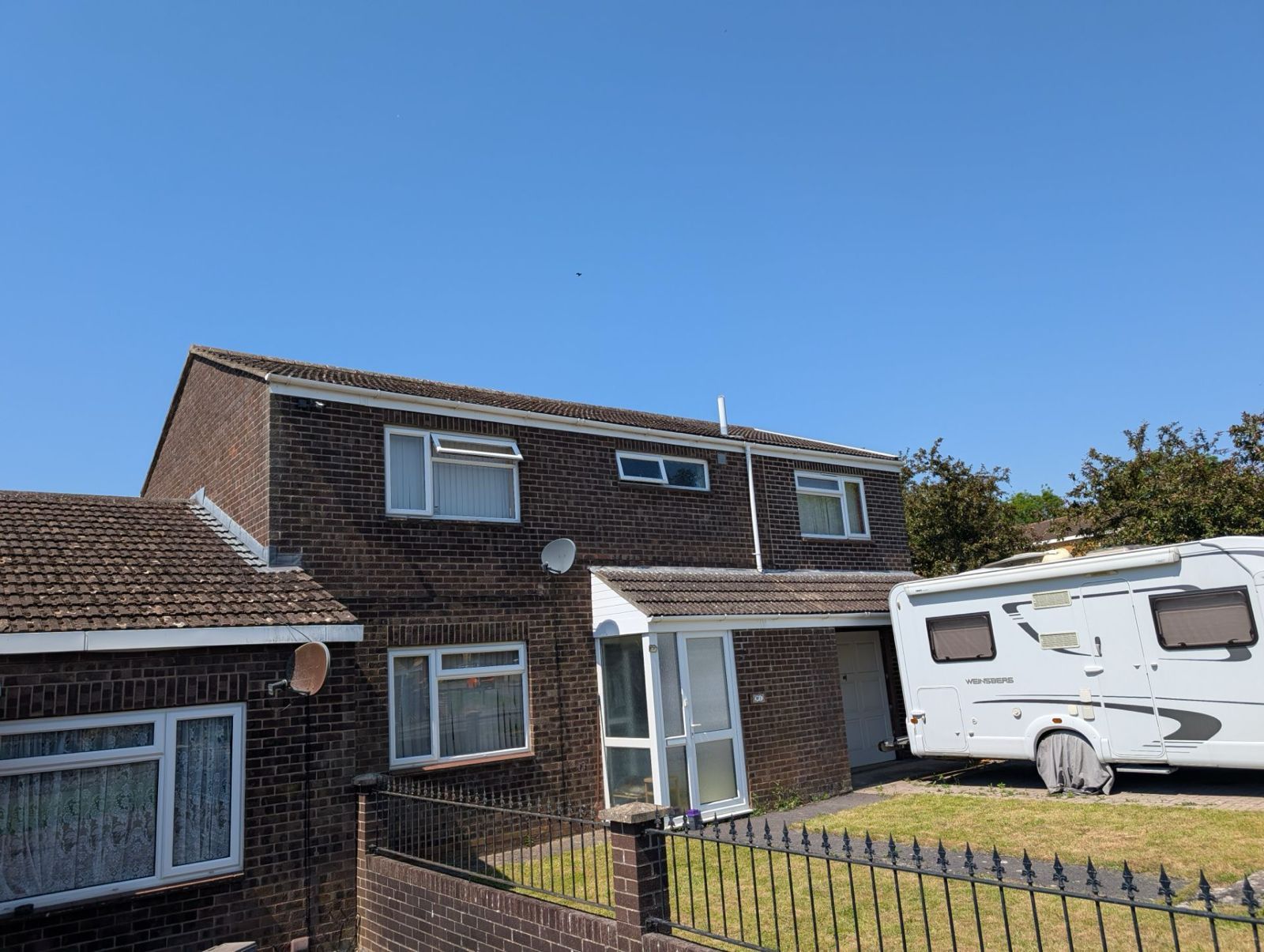
Bristol features a wide variety of homes, from traditional terraced properties to semi-detached houses and newer builds. The local climate, which often includes heavy rain, strong winds, and cold winters, can put significant pressure on roofing materials. Each roof type has its own lifespan, maintenance needs, and potential problem areas. By understanding where issues are most likely to occur, homeowners can spot early warning signs and reduce the likelihood of expensive repairs. Regular checks and timely maintenance can make a big difference in extending the life of your roof.
Slate Roofs – Long-Lasting but Not Immune to Movement
Slate roofing is a popular choice in Bristol, particularly on older or period properties. Known for its durability and resistance to harsh weather, slate can last for many years when properly maintained. However, over time, slates can become loose or slip out of position due to ageing fixings or exposure to strong winds. The nails securing the slates may corrode or weaken, allowing tiles to shift. In addition, the protective underlay beneath the slates can deteriorate as it ages, increasing the risk of water penetration.
Clay Tile Roofs – Classic Style with Maintenance Needs
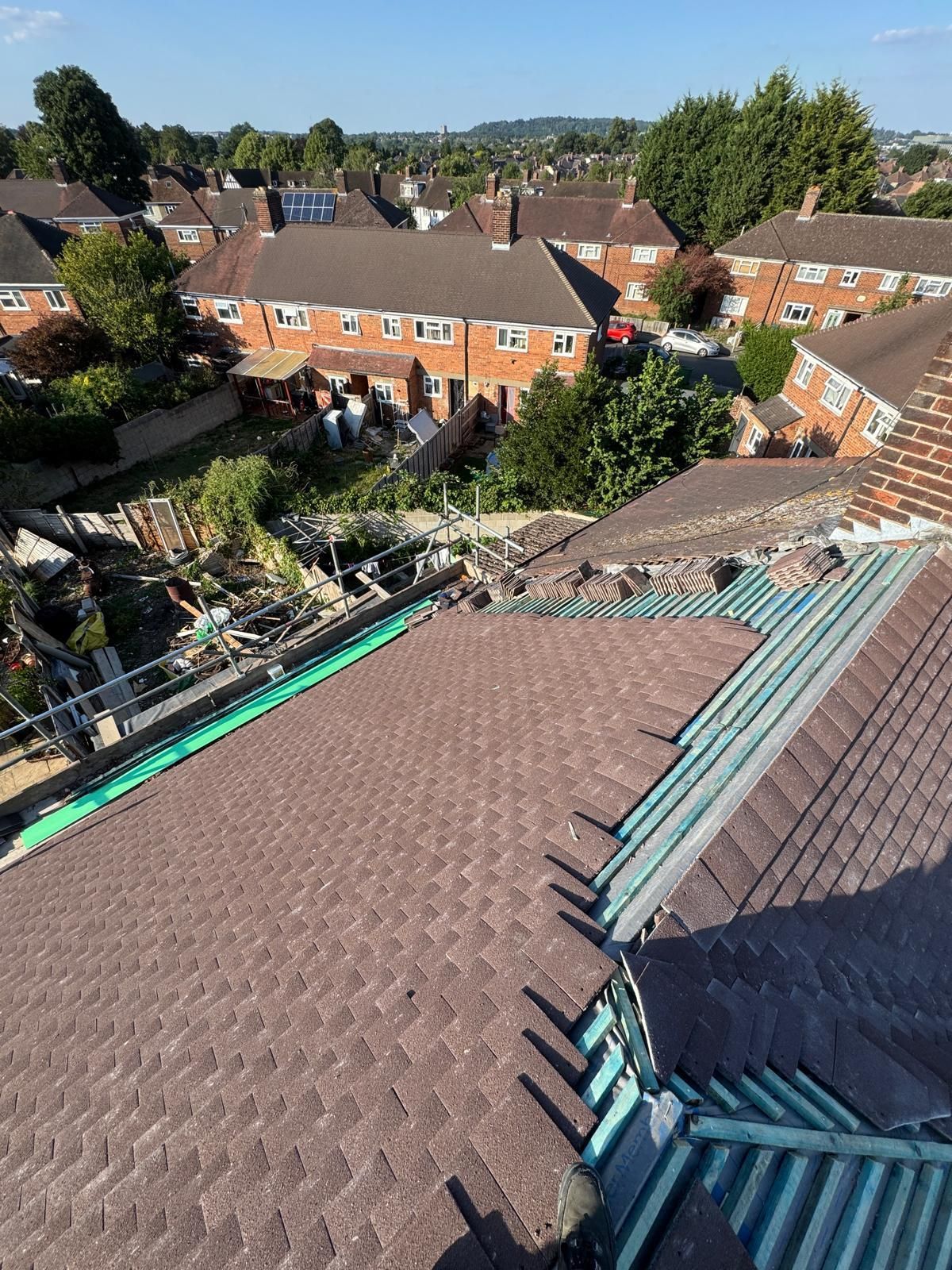
Clay tiles are another commonly seen roofing material across Bristol. They are valued for their traditional appearance and ability to withstand challenging weather conditions. Despite their strength, clay tiles can be vulnerable to frost damage, which may cause cracking during colder months. The damp environment can also encourage moss growth, which may affect the roof’s appearance and performance. Ridge tiles, in particular, may require periodic repointing to ensure they remain secure and weatherproof.
Concrete Tile Roofs – Practical and Affordable
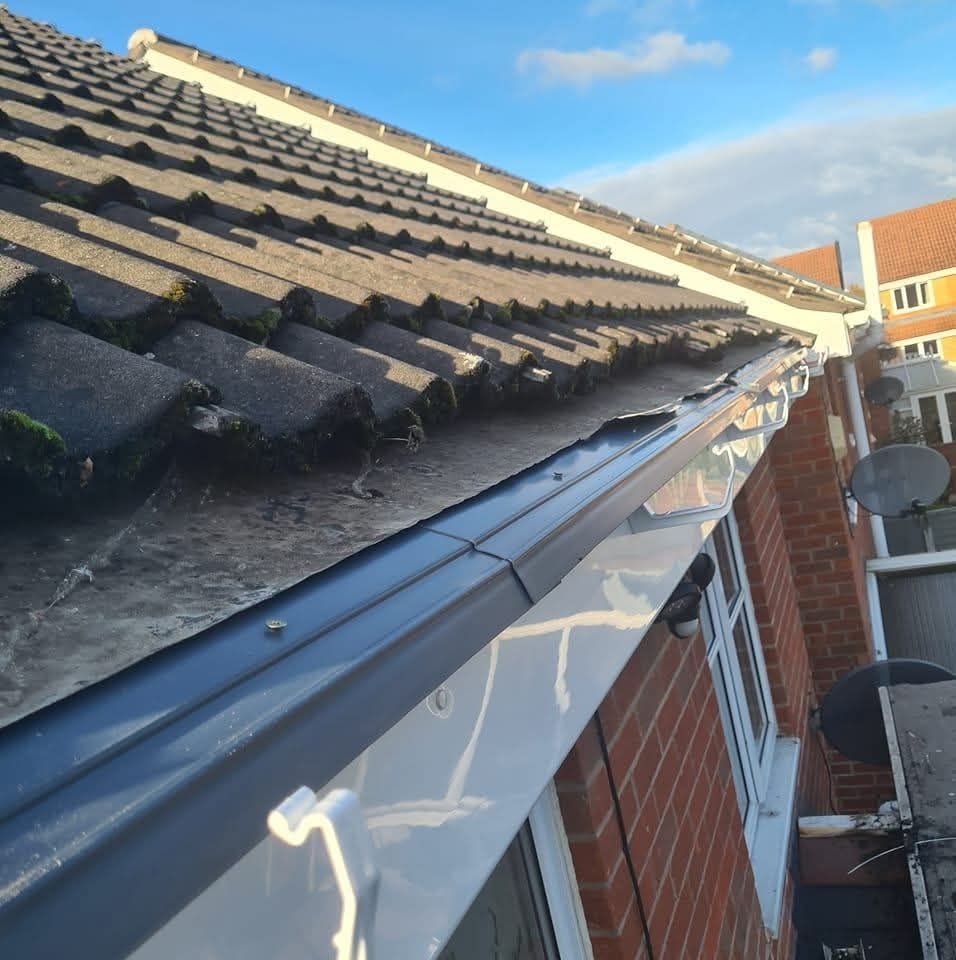
Concrete roof tiles are frequently used on more modern housing developments. They are widely available, relatively cost-effective, and generally robust. However, as concrete ages, it may begin to absorb moisture, making the tiles more porous. Over time, this can lead to discolouration or minor surface wear. Regular inspection can help identify early signs of deterioration and maintain the roof’s protective qualities.
Flat Roofs – Often Found on Extensions and Garages
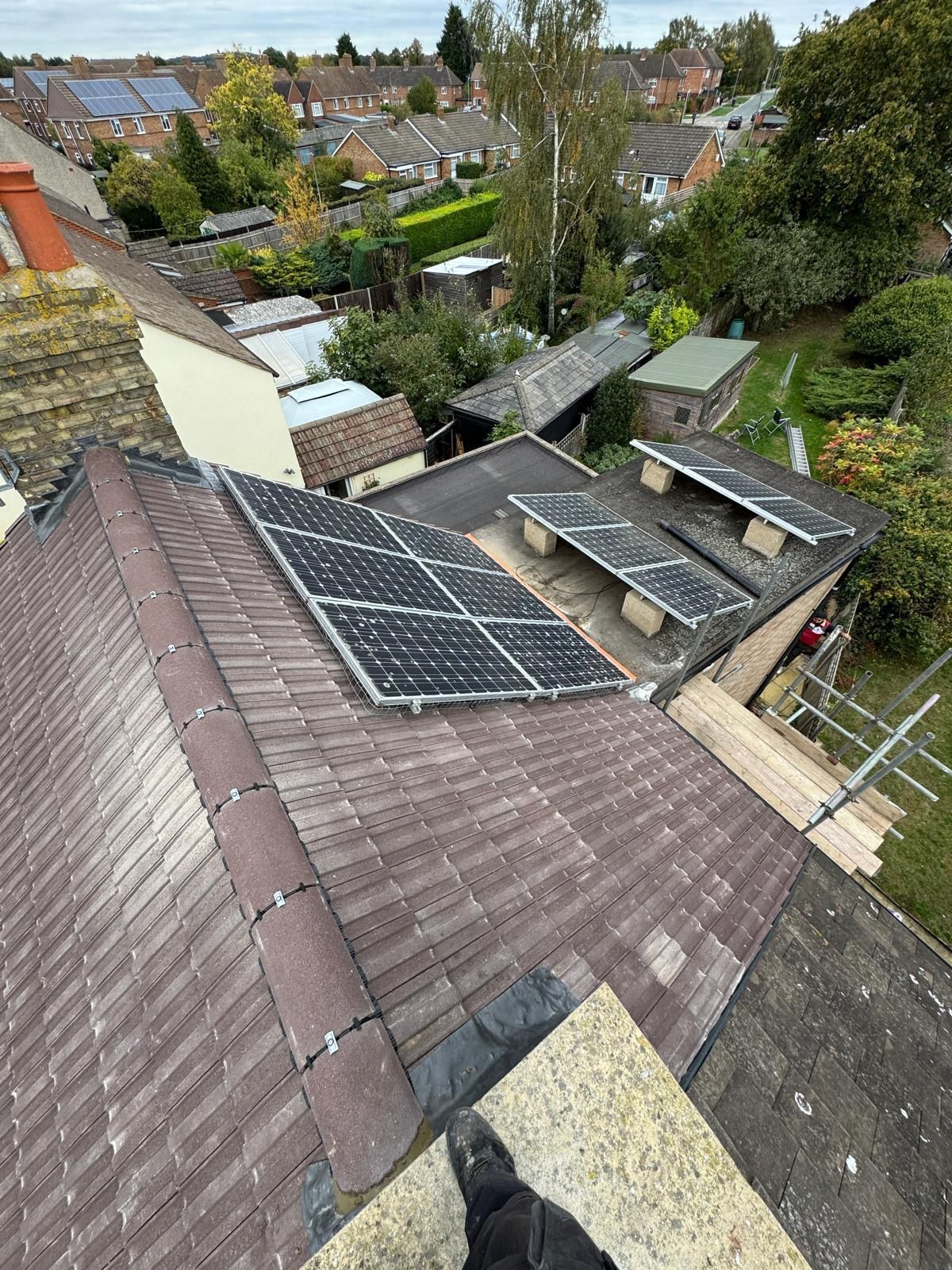
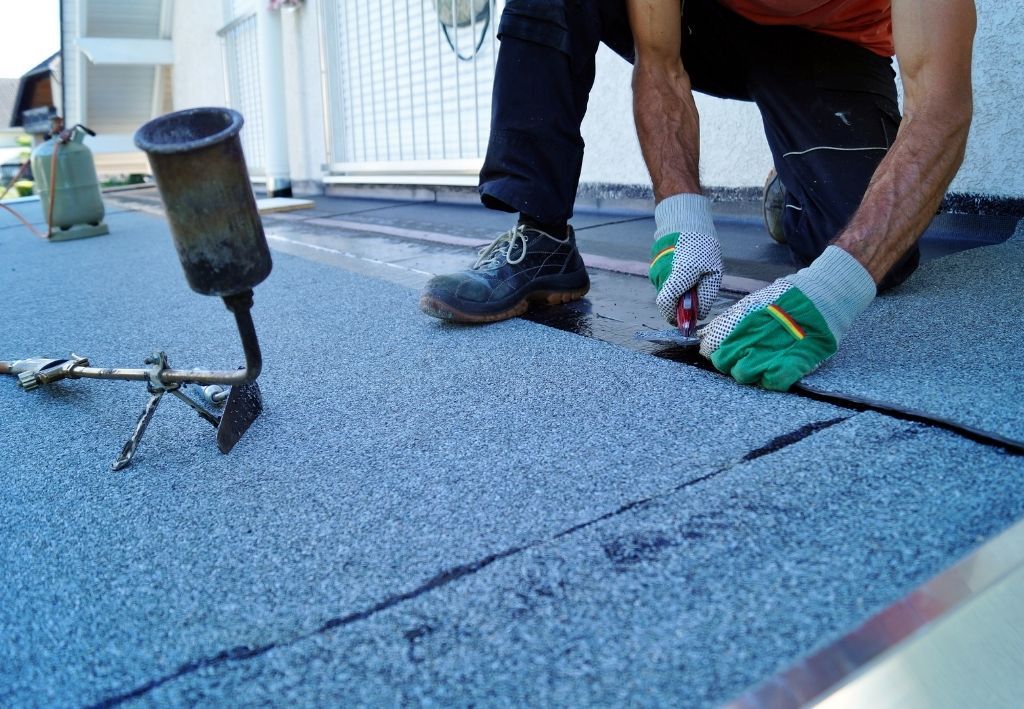
Flat roofs are commonly installed on home extensions, garages, and outbuildings. Materials such as felt, rubber, or fibreglass are often used due to their flexibility and practicality. One of the most important considerations for flat roofs is effective drainage, as standing water can cause damage over time. The lifespan of a flat roof largely depends on the quality of both the materials used and the installation. Periodic checks can help prevent leaks and prolong durability.
Roof Junctions and Flashing – Common Sources of Leaks
Areas where different sections of the roof meet, such as around chimneys, vents, or walls, can be particularly vulnerable to water ingress. Lead flashing is designed to seal these joints and direct water away from sensitive areas. However, flashing can loosen or deteriorate with age and exposure to the elements. If these seals fail, moisture may enter the property, often leading to leaks that require prompt attention to avoid more extensive damage.
The Impact of Bristol’s Weather on Roofing
Bristol’s climate plays a major role in roof wear and tear. Frequent rainfall can encourage moss and algae growth, which may trap moisture against roofing materials. Strong winds can loosen tiles or damage fixings, while freezing temperatures may cause cracks to develop or worsen over time. Without regular maintenance, these weather-related effects can reduce the overall lifespan of a roof.
Signs Your Roof May Require Attention
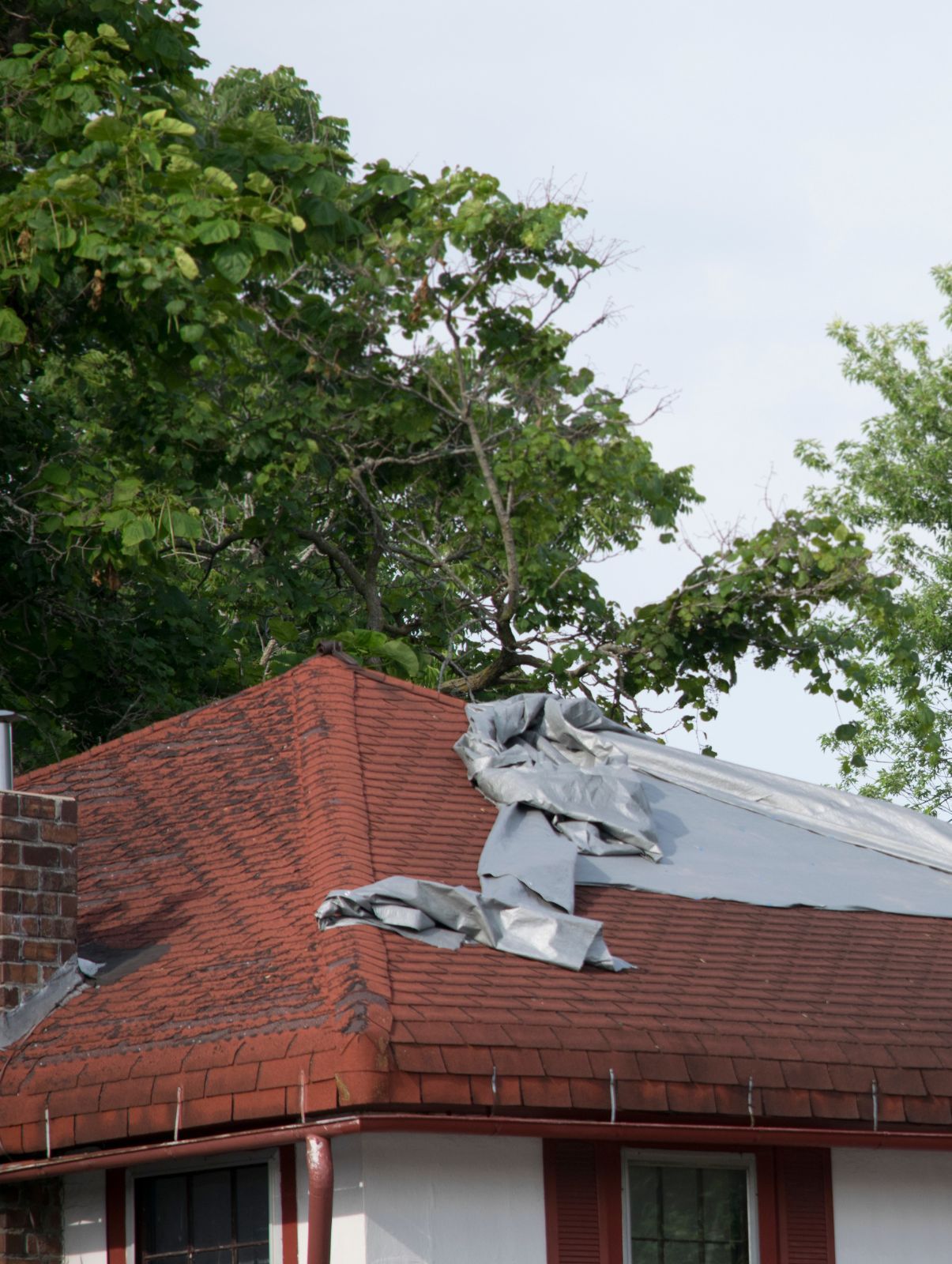
Routine visual checks can help identify issues before they become serious. Look for missing, cracked, or loose tiles, as these can allow water to penetrate the roof structure. Damp patches or water stains on ceilings inside the property may indicate a roofing problem. Moss build-up should also be monitored, as excessive growth can affect drainage. Clearing debris from gutters ensures rainwater can flow away from the property effectively, helping to prevent water damage.
Conclusion
Homes in Bristol feature a range of roof types, each with its own strengths and potential vulnerabilities. Understanding these differences can help homeowners take preventative measures and identify concerns early. Regular inspections and timely repairs can help avoid major issues and extend the life of your roof. Professional maintenance services can also provide reassurance that your roof remains in good condition for years to come.
Ready to work with Bristol Roofing Pros?
Let's connect! We’re here to help.
Send us a message and we’ll be in touch.
Or give us a call today at 0117 427 8978
Agency Contact Form
More Marketing Tips, Tricks & Tools